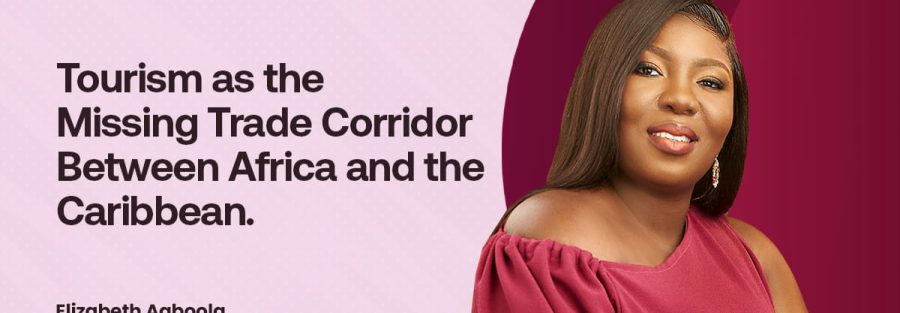
Trade conversations between Africa and the Caribbean continue to grow in visibility.
Governments speak about cooperation. Financial institutions discuss investment. Delegations attend conferences. Diplomatic conversations around South South engagement continue to expand.
Yet one critical sector still remains underestimated within many of these discussions: Tourism.
Tourism is rarely treated as a serious trade instrument between Africa and the Caribbean. That remains one of the biggest strategic gaps within the wider Global Africa conversation.
The issue is not that tourism lacks value. The issue is that tourism is still too often viewed narrowly as leisure rather than economic infrastructure.
Tourism Is Bigger Than Leisure
One of the long standing misconceptions around tourism is that it sits outside “serious” economic sectors.
In reality, tourism intersects directly with:
- aviation
- hospitality
- transport
- entertainment
- creative industries
- food systems
- retail
- conferences
- fashion
- diaspora engagement
- investment visibility
- SME development
Tourism moves people. People create markets. This is why tourism should not sit outside trade conversations. It should sit within them.
Trade Begins With Movement
Before countries trade heavily with each other, people usually encounter each other first.
Movement often comes before commerce.
People travel for: conferences, festivals, business meetings, sports, education, cultural experiences, diaspora reconnection.
These interactions gradually build: market familiarity, consumer awareness, business confidence, commercial trust, cross border relationships.
It becomes easier to invest in markets people understand. Tourism therefore acts as an entry point into wider economic integration.
The Africa-Caribbean Reality
Africa and the Caribbean already possess:
- historical familiarity
- cultural alignment
- diaspora connection
- creative synergy
Yet commercial engagement between both regions still remains relatively underdeveloped compared to its potential.
One reason for this is limited structured movement.
The regions continue to experience:
- weak route connectivity
- limited tourism flows
- fragmented market engagement
- low private sector integration
- limited tourism investment collaboration
Without stronger movement, integration remains slower than it could be.
Tourism As A Corridor Builder
Tourism creates recurring human traffic between markets.
That movement supports: airlines, hotels, restaurants, transport systems, tour operators, creative businesses, event organisers, SMEs, conference economies. Over time, these interactions begin to strengthen wider economic ecosystems. This is why tourism often becomes one of the earliest visible indicators of a growing corridor.
Where people move consistently: commerce follows, investment follows, partnerships follow. Movement reduces distance psychologically before it reduces it economically.
Why Events Matter
Conferences, festivals, trade expos, cultural showcases, sporting events, and creative industry gatherings should not be viewed only as entertainment or networking activities.
They are economic infrastructure platforms.
These events generate:
- travel demand
- business matchmaking
- destination exposure
- investment conversations
- consumer visibility
- media attention
- diaspora engagement
Culture frequently opens doors faster than formal trade negotiations.
This is one reason why cultural diplomacy and tourism diplomacy continue to matter strategically.
Tourism As Soft Power
Countries with strong tourism ecosystems often strengthen their influence globally.
Tourism shapes: national perception, global visibility, investment attractiveness, cultural relevance, consumer curiosity. People are more likely to trade with countries they emotionally connect with. Tourism helps build that familiarity.
This is particularly important for Africa and the Caribbean where storytelling, culture, music, identity, and creativity already hold strong global influence.
What Stronger Collaboration Could Look Like
Africa and the Caribbean can begin exploring:
- joint tourism corridors
- multi destination travel packages
- festival tourism partnerships
- diaspora mobility initiatives
- conference collaboration
- creative economy exchange systems
- cross regional tourism investment platforms
- youth travel programmes
- aviation partnerships
- tourism trade missions
This moves engagement beyond symbolic solidarity into measurable economic circulation.
What Often Slows Progress
The challenge is not lack of opportunity.
The challenge is often: fragmented coordination, weak mobility systems, limited route connectivity, low structured promotion, inconsistent policy support, limited investment preparation, weak tourism financing ecosystems, unnecessary stereotypes between the regions.
These are structural gaps, not proof that the market lacks potential. Preparation attracts capital. Coordination accelerates growth.
Why Timing Matters
Global interest in:
- diaspora identity
- cultural tourism
- creative economies
- Afrocentric experiences
- South South partnerships
- heritage travel
continues to expand rapidly. Africa and the Caribbean possess natural positioning within this emerging global movement economy.
The regions already hold emotional relevance internationally. The next phase is converting emotional relevance into structured economic systems.
Final Thoughts
Tourism should not be treated as secondary within Africa-Caribbean trade conversations.
Tourism creates movement. Movement creates familiarity. Familiarity creates trust.
Trust creates commerce. The strongest trade corridors are rarely built by goods alone. They are built by people moving consistently between markets.
Africa and the Caribbean already possess cultural connection. Tourism can help transform that connection into sustainable economic activity, stronger mobility systems, and deeper commercial integration.
Tourism is not merely a leisure sector. It is one of the missing corridors through which Global Africa can move itself forward.