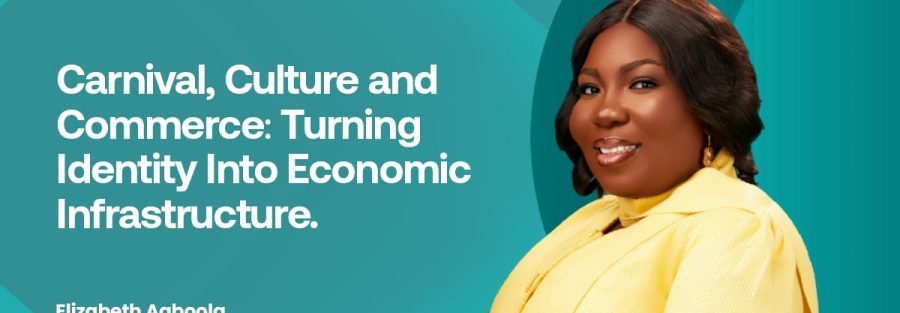
Carnival is often viewed as celebration. Music. Costumes. Dance. Entertainment. Energy.
But carnival is also something much bigger. It is economic infrastructure.
Across the Caribbean, carnival has evolved beyond cultural expression into a powerful ecosystem supporting tourism, aviation, hospitality, fashion, media, entertainment, nightlife, transport, food systems, and creative enterprise.
This is one of the areas where the Caribbean has built a globally recognised cultural economy with lessons that extend far beyond festivals themselves.
The question Africa should increasingly ask is not whether culture has value.
The question is whether culture is being structured properly.
Culture Is Not Separate From Commerce
One of the long standing mistakes within many developing economies is the tendency to separate culture from economics.
Culture is often treated as: entertainment, ceremony, identity expression, social activity. While sectors considered “serious” receive more structured economic planning.
In reality, culture frequently drives commercial activity at scale.
People travel because of:
- music
- festivals
- food
- fashion
- sport
- identity
- lifestyle
- creative experiences
Entire tourism economies are built around emotional and cultural attraction.
This is why cultural industries deserve more serious positioning within development conversations.
Carnival Is A Tourism Engine
Large cultural festivals activate multiple sectors simultaneously.
Carnival economies support:
- airlines
- hotels
- restaurants
- transport operators
- fashion designers
- event producers
- photographers
- videographers
- artists
- vendors
- tour operators
- security providers
- nightlife businesses
- creative entrepreneurs
Visitor spending circulates across entire ecosystems. The impact extends far beyond ticket sales. In many destinations, carnival periods become some of the strongest tourism and spending seasons within the year.
This is culture operating as economic infrastructure.
The Global Influence Of Caribbean Culture
The Caribbean has built one of the world’s most influential cultural identities relative to its population size.
Music, dance, fashion, language, and carnival aesthetics from the region continue to shape global popular culture.
This influence has created:
- destination visibility
- tourism demand
- diaspora loyalty
- international curiosity
- creative export opportunities
Culture became a gateway into wider economic engagement. This is where soft power becomes commercially valuable.
Africa’s Growing Cultural Power
Africa is also experiencing a major global cultural moment.
Afrobeats, African fashion, film, dance, food, and creative storytelling continue to gain international visibility at significant scale.
Global audiences increasingly consume African culture not as niche content, but as mainstream influence.
This creates an important opportunity.
Africa and the Caribbean already possess globally influential cultural products.
The next phase is building stronger systems around them.
Visibility alone is not enough. Structure determines sustainability.
Tourism As The Connector
Tourism allows culture to move physically across borders.
People increasingly travel for:
- music festivals
- fashion experiences
- food culture
- nightlife
- creative events
- diaspora connection
identity based experiences
This changes how destinations compete globally.
Increasingly, travelers are not only seeking locations. They are seeking emotional and cultural experiences.
Countries that understand this early position themselves more competitively within the global experience economy.
Why Africa-Caribbean Collaboration Matters
Africa and the Caribbean already share strong cultural alignment through: music
fashion, diaspora identity, storytelling, movement, creativity, historical familiarity
This creates natural opportunities for collaboration across:
festival tourism, artist mobility, fashion exchange, creative investment, destination partnerships, diaspora engagement, multi destination travel experiences.
Culture already creates emotional connection between both regions. Tourism can help structure that connection economically.
The Risk Of Under Structuring Culture
Many countries celebrate culture passionately while failing to structure it commercially.
Weak systems often lead to:
- poor visitor management
- limited investor confidence
- underdeveloped tourism packaging
- short lived economic impact
- weak infrastructure planning
- limited international scalability
Creativity alone does not guarantee economic value. Systems create scale.
This is where governments, tourism boards, investors, event organisers, airlines, and private sector actors must begin working more intentionally together.
What Strategic Planning Could Look Like
There is room for:
- festival tourism frameworks
- creative economy investment platforms
- diaspora travel campaigns
- regional cultural calendars
- creative tourism financing
- artist mobility partnerships
- destination branding collaboration
- tourism linked cultural infrastructure
This moves culture from periodic celebration into long term economic circulation.
Culture should not only generate applause. It should generate ecosystems.
Why Timing Matters
Global demand for:
cultural tourism, diaspora experiences, creative travel, Afrocentric identity
music driven travel, festival economies continues to grow rapidly.
Africa and the Caribbean are naturally positioned within this shift.
The countries that structure culture strategically today will likely become stronger tourism and creative economy leaders tomorrow.
Final Thoughts
Carnival demonstrates something important.
Culture is not only identity expression. It is economic potential.
The intersection between:
movement, tourism, creativity, commerce, diaspora engagement and global visibility create powerful opportunities for destinations willing to think beyond entertainment alone.
Culture attracts attention. Mobility expands markets. Structure sustains value.
The future of many tourism economies may depend not only on what they celebrate, but on how effectively they build systems around what the world already wants to experience.