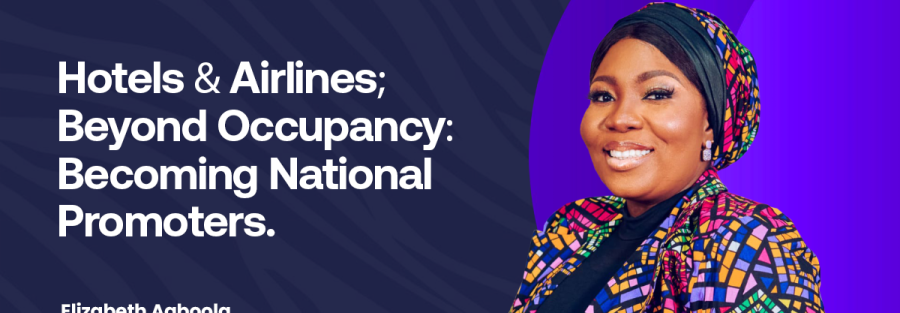
Airlines sell seats. Hotels sell rooms. But nations sell destinations.
When airlines and hotels limit their marketing to occupancy, growth plateaus.
When they align with destination strategy, growth compounds.
Tourism does not expand because capacity exists.
It expands because desire is activated.
Airlines and hotels sit at the centre of that activation.
The Consumer Moment
For most travellers, engagement with a destination begins with:
- an airline website
• a fare alert
• a loyalty email
• a hotel promotion
• a booking confirmation
These touchpoints shape perception.
Yet many campaigns focus narrowly on:
- discounted fares
• weekend room rates
• loyalty points
Very few ask the broader question: Why should I visit this destination in the first place? Airlines and hotels have access to millions of travellers.
They can influence not only booking decisions but destination decisions.
Airlines as Destination Architects
Airlines are more than transport providers.
They operate:
- global booking engines
• loyalty databases
• in-flight magazines
• entertainment platforms
• route launch campaigns
• international sales offices
Each route is an economic corridor. One example worth studying is Royal Jordanian Airline. Through its “ExploRJordan” initiative, the airline actively promotes the Jordanian destination beyond ticket sales.
It curates destination content, promotes national heritage sites, and even facilitates package-style experiences that encourage visitors to stay longer and explore more deeply.
This is notable because Jordan already has a mature tourism board and global brand presence. Yet the national carrier does not limit itself to transportation. It participates directly in destination activation. It understands that when the country grows, the airline grows. That is strategic alignment.
The Nigerian Parallel
Whilst we do not have a national carrier, we do can apply same principles to our private sector airline flying domestically and internationally. I believe this is the direction Nigerian carriers should take particularly across the states they already serve.
If an airline flies to:
- Kano • Calabar • Enugu • Jos • Port Harcourt then it is already positioned to become a promoter of those states.
Imagine:
- “Discover Kano Heritage Season” integrated into booking platforms
• Calabar Festival fare campaigns tied to curated itineraries
• Jos Highlands adventure features within airline content systems
• Enugu cultural weekend promotions
Route marketing becomes state marketing. An airline that promotes its destinations grows both demand and loyalty.
Hotels as Curators of Experience
Hotels are not merely accommodation providers. They are local anchors. There are several times I’ve seen the promotional material of some hotels and got interested in visiting the country.
Concierge desks influence:
- where guests eat
• what tours they book
• which events they attend
• which markets they visit
Hotels understand occupancy cycles and visitor behaviour.
If hotels collaborate more intentionally with:
- local tour operators
• event organisers
• cultural institutions
• state tourism boards
they shift from passive beneficiaries to active promoters. A hotel that markets a city strengthens its own long-term occupancy.
Institutional Synchronisation
In many markets, airlines and hotels operate parallel to tourism authorities.
There is limited structured coordination around:
- annual destination calendars
• joint international campaigns
• festival-driven travel promotions
• route launches aligned with events
When coordination exists, results multiply. Airlines can time route expansions around major festivals. Hotels can bundle packages tied to state events.
Tourism boards can amplify unified messaging. This is not centralisation.
It is strategic synchronisation.
Domestic Tourism Activation
The opportunity is not only international.
Domestic consumers respond to:
- long-weekend travel prompts
• bundled flight + hotel offers
• loyalty reward redemptions for local stays
• themed destination months
Instead of: “30% off flights.” Imagine:
“Explore the Jos Plateau – Special Fare +Curated Experience Guide.”
Instead of: “Weekend Room Discount.” Imagine:
“Heritage Weekend in Kano – Stay + Cultural Access.”
Promotion becomes purposeful.
Data as Strategic Leverage
Airlines and hotels hold insight into:
- booking windows
• travel frequency
• diaspora movement patterns
• seasonal demand
• regional interest clusters
With privacy-compliant collaboration, this data can inform:
- state tourism planning
• event scheduling
• route viability
• investment strategy
When hospitality data informs public strategy, tourism becomes evidence-based.
Final Thoughts
Occupancy is a metric. Destination equity is a strategy.
Airlines and hotels can choose to market transactions or they can market territories.
When they promote destinations alongside their products, demand expands.
When they coordinate with national strategy, economic impact multiplies.
Royal Jordanian understood that promoting Jordan strengthens the airline.
Nigerian carriers have the same opportunity across the states they serve.
Seats and rooms matter. But destinations build loyalty.
And loyalty, when structured, becomes capital.
Airlines and hotels do not need to wait for government campaigns to activate destinations.
They can co-design them. Structured dialogue between carriers, hospitality leaders, and tourism planners can unlock coordinated national marketing that benefits every state on their route map.