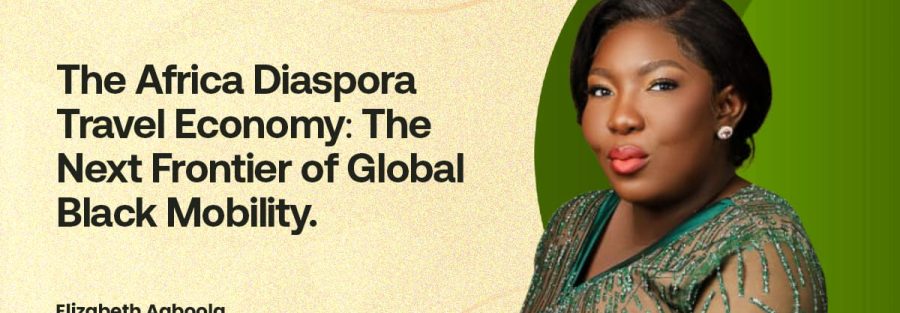
A new global travel economy is emerging around identity, ancestry, belonging, culture, memory, and reconnection.
Africa and the Caribbean sit at the center of this shift.
For many travelers today, movement is no longer only about sightseeing or luxury experiences. Increasingly, travel is becoming emotional, intentional, and identity driven.
People are searching not only for destinations, but for connection.
This is where the Africa diaspora travel economy becomes strategically important.
The Rise Of Identity Based Travel
Across different parts of the world, more people of African descent are showing growing interest in:
- heritage exploration
- ancestry tourism
- diaspora festivals
- cultural immersion
- wellness retreats
- faith based travel
- creative collaboration
- community connection
- relocation exploration
Travel is increasingly becoming part of a wider search for identity and belonging.
This is especially significant for younger generations seeking deeper cultural experiences beyond traditional tourism consumption.
The shift is no longer only about vacations.
It is about reconnection.
Why This Matters Economically
Diaspora travel is often discussed emotionally. However, its economic implications are equally significant.
Diaspora movement supports: airlines. Hotels, tour operators, restaurants
transport systems, creative industries, local artisans, conference economies, event ecosystems, SMEs.
It also increases: investment visibility, property interest, business networking, cross border partnerships, market familiarity. This means diaspora tourism should not be viewed narrowly as cultural activity alone.
It is also economic infrastructure.
The Africa-Caribbean Position
Africa and the Caribbean already possess strong emotional relevance within the global Black travel economy.
Both regions represent: history, culture, identity, music, movement, creativity, diaspora memory, shared heritage. This creates natural positioning within a rapidly expanding global market.
Increasingly, travelers want experiences connected to: roots, storytelling, culture, food, music, fashion, wellness, community, history.
Africa and the Caribbean already hold many of these assets organically.
The question is whether enough structure is being built around them.
Tourism As Reconnection Infrastructure
Tourism creates physical pathways for reconnection.
Movement allows people to:
- experience heritage directly
- build emotional familiarity
- strengthen cultural understanding
- develop business relationships
- explore investment opportunities
- engage creatively across borders
This is why diaspora tourism matters beyond leisure. It strengthens ecosystems.
Movement often becomes the beginning of wider economic and cultural engagement.
The Growth Of Afrocentric Travel Markets
Global demand for Afrocentric experiences continues to expand across:
- music tourism
- festival tourism
- heritage travel
- wellness travel
- luxury cultural experiences
- diaspora festivals
- creative retreats
- community driven travel
Travelers increasingly seek spaces where they feel: seen, represented, culturally connected
emotionally understood. This changes how destinations compete globally.
Emotional relevance is becoming economically valuable.
Why Mobility Still Matters
Despite growing global interest, movement between Africa, the Caribbean, and wider diaspora communities still faces structural barriers.
Challenges remain around:
- limited direct connectivity
- high travel costs
- visa complexity
- fragmented tourism packaging
- limited coordinated promotion
- weak diaspora focused infrastructure
These gaps reduce scalability. Interest alone does not build corridors. Infrastructure does.
The Opportunity Ahead
Africa and the Caribbean can begin exploring:
- heritage tourism routes
- diaspora mobility partnerships
- multi destination packages
- creative tourism ecosystems
- diaspora investment forums
- festival tourism circuits
- Afrocentric luxury experiences
- youth exchange programmes
- wellness and identity retreats
This creates opportunities not only for tourism growth, but for wider economic circulation across Global Africa.
The future of tourism will increasingly favour destinations that offer meaning alongside experience.
Why This Conversation Matters Now
The global Black travel economy is becoming more visible, more organised, and more commercially significant.
Diaspora communities increasingly influence: travel trends, culture, consumer markets. Music, fashion, investment flows, digital storytelling. Africa and the Caribbean possess natural relevance within this ecosystem.
However, relevance alone is insufficient. Structure determines whether visibility becomes sustainable economic value.
Final Thoughts
The Africa diaspora travel economy is larger than tourism alone.
It reflects how: identity, movement, culture, commerce, diaspora engagement and emotional connection are increasingly intersecting globally.
People do not only travel for destinations anymore.
Increasingly, they travel for meaning. They travel for memory. They travel for reconnection.
Africa and the Caribbean already possess emotional significance within this movement. The next phase is building stronger systems around:
- mobility
- access
- tourism
- investment
- creative exchange
- diaspora engagement
The future of Global Africa may depend not only on shared memory, but on how effectively that memory is transformed into movement, opportunity, and sustainable economic exchange.